• Click to Call
  • Request a Site Assessment
Distribution X
  • Material Handling Installation Solutions
    • Automated System Installations
          • AS / RS
          • Rack-Supported Buildings
          • Mini Load Systems
          • Wire Guidance Installation
          • Stacker Cranes
          • Pallet Load Systems
          • Automated Pallet Shuttles
          • Learn More
          • Vertical Lift Modules
          • Vertical Reciprocating Conveyors
          • Mobile Racking
    • Mechanical Conveyor Installations
          • Powered Conveyor
          • Gravity Conveyor
          • Conveyor Sortation Systems
          • Chain Conveyor
          • Robotic Picking System
          • Accumulation Conveyor
          • Learn More
          • Activated Roller Belt
          • AGVs & AMRs
          • Vertical Spiral Conveyor
    • Pallet Rack & Steel Structure Installations
          • Selective Rack
          • Drive-In Rack / Drive-Thru Rack
          • Push-Back Rack
          • Cantilever Rack
          • Double Deep Rack
          • Pallet Flow Rack
          • Learn More
          • Carton Flow Rack
          • Pick Module Systems
          • Mezzanines
    • Safety & Compliance
          • Learn More
    • Teardown & Decomission
          • Learn More
  • Projects
  • About Us
    • Blog
    • Careers
  • Contact
  • Menu Menu

What Conveyor and Racking Installation Planning Actually Requires

You’re staring at two contracts, one for racking, one for conveyor, each with a start date that assumes the other crew finishes on schedule. It looks like a clean division of labor until you realize both systems have to occupy the same floor space, tie into the same structure, and hit the same go-live date, and neither vendor is responsible for what happens in between. A conveyor and racking installation only works when someone owns the interface between the two systems, not just the two systems separately.
What Conveyor and Racking Installation Planning Actually Requires

Conveyors aren’t standalone equipment. They’re one piece of a larger material handling system installation, and every line that ties into your racking affects the loads that structure has to carry.

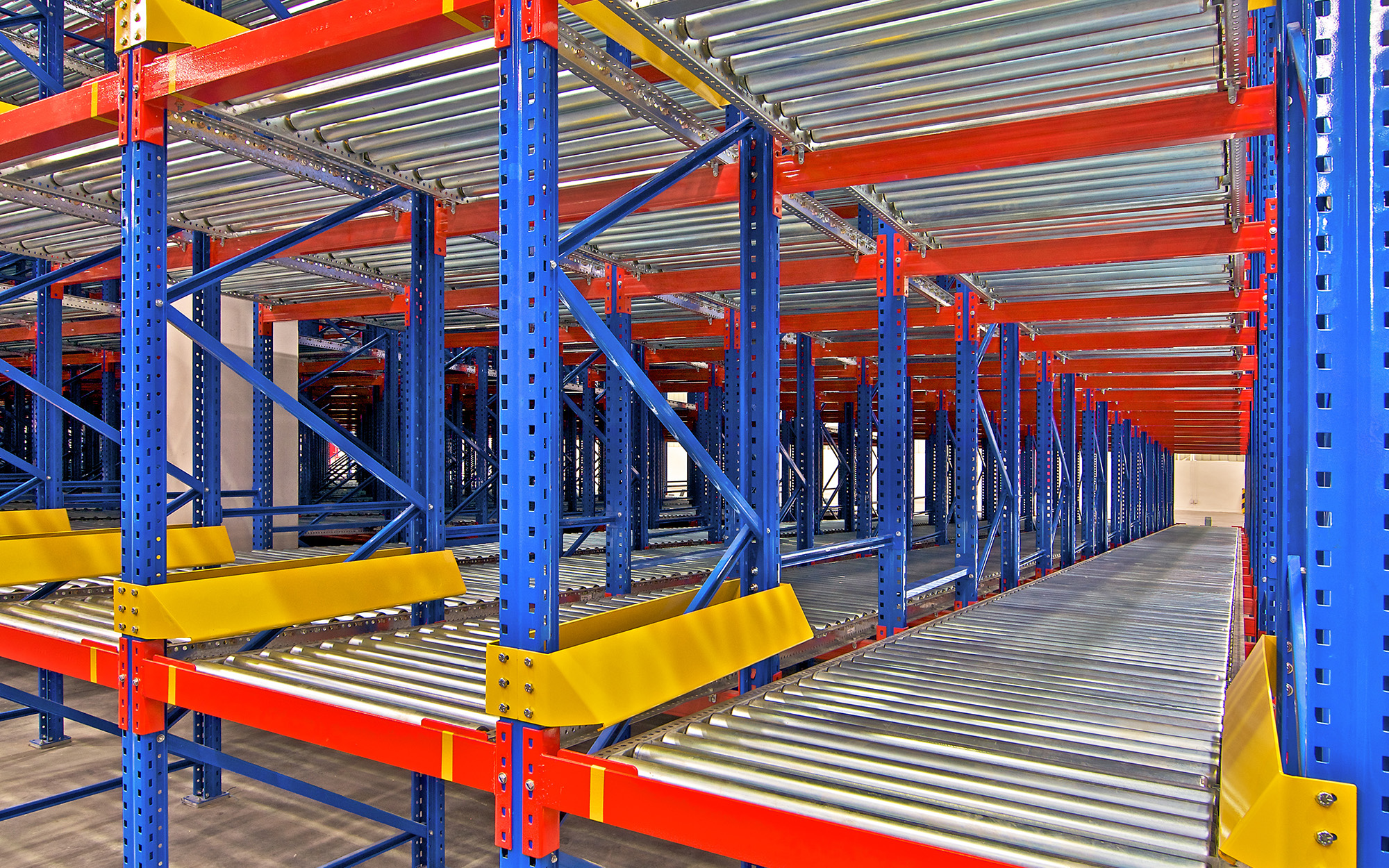
Pallet racking is engineered for static and dynamic pallet loads, not for the additional weight, vibration, and attachment points a conveyor system introduces. Tying a conveyor into existing or newly installed racking without engineering validation can compromise both the rack’s load rating and the manufacturer’s warranty. A coordinated automated system installation accounts for this from the layout stage, not after the racking is already up.

What a Vendor Split Actually Assumes

Splitting the project across a racking vendor and a conveyor vendor assumes the two systems can be designed, installed, and verified independently. In practice, the conveyor vendor needs the racking dimensions and plumb tolerances finalized before they can fabricate supports, and the racking vendor needs the conveyor’s clearance and tie-in points before they can finalize bay spacing. Neither company controls the other’s timeline or specs, which is exactly where the coordination gap opens up.

What Breaks Down When Racking and Conveyor Scope Are Handled Separately

The failure points in a split-vendor arrangement rarely show up in the proposals. They show up on the floor, once both crews are on site.

Shared Floor Zones Nobody Fully Owns

Racking and conveyor systems frequently occupy the same aisles, cross the same load-bearing zones, and require the same site survey data. When two vendors each survey their own scope independently, measurements can conflict, and nobody is accountable for reconciling them before steel goes up. That gap usually surfaces as a rack bay that’s a few inches off from where the conveyor support was engineered to land.

When Rack Delivery Slips, the Whole Schedule Slips

A conveyor and racking installation depends on structural rack being in place, plumb, and verified before conveyor supports can be tied in. If the racking vendor’s delivery or crew scheduling slips, the conveyor vendor is either standing idle or forced to work around an incomplete structure, and the two companies rarely share a contract that accounts for that dependency. You end up absorbing the delay and the finger-pointing, since neither vendor is contractually responsible for the other’s timeline.

The Structural Dependencies Between Rack and Conveyor Systems

Once you see racking and conveyor as one interconnected system instead of two separate scopes, the planning requirements for a conveyor system installation become a lot clearer.

Conveyor-to-Rack Clearance Requirements

Conveyor lines need defined clearance from rack uprights, beams, and load overhangs, not just for equipment function but for OSHA aisle and egress requirements. Those clearances have to be built into the racking layout before installation, not measured and adjusted after the fact. A pallet rack installation that isn’t planned around the conveyor’s exact footprint typically requires costly rework once the conveyor crew arrives.

Why Racking Must Be Verified Before Conveyor Tie-In

Conveyor supports that anchor to or align with racking depend on that racking being plumb and positioned within engineered tolerance. If the rack structure hasn’t been verified before conveyor installation begins, any deviation gets built directly into the conveyor alignment, which can affect belt tracking, load transfer points, and long-term maintenance. Verifying the structure first is not a delay. It’s what prevents a much larger delay later.

Coordinating a conveyor and racking installation across two separate vendors puts that dependency on you to manage. Distribution X installs both systems under one scope, so the sequencing, clearances, and structural verification are handled by one team instead of two.

Schedule a Site Assessment

How Installation Sequencing Actually Works Across Both Systems

A properly sequenced conveyor and racking installation follows a specific order, and skipping steps in that order is where most coordination problems start.

Survey and Layout Coordination Across Shared Zones

The site survey has to account for both systems at once, capturing column spacing, floor conditions, ceiling heights, and existing utilities in the same pass rather than two separate surveys that may not agree. That combined layout becomes the reference point both the racking and conveyor installation work from, so there’s no question later about whose measurements are correct.

Sequencing Rack Structure Before Conveyor Integration

Racking installation and verification happens first, since the conveyor’s supports, tie-in points, and alignment all depend on that structure being finished and confirmed. Once the rack is plumb and load-verified, conveyor installation proceeds against a structure that’s already known to be correct, rather than one that still has open questions.

Fire Suppression, Load Distribution, and Compliance Across Both Systems

Adding a warehouse conveyor installation to an existing racking system changes more than the equipment on the floor. It can change what your facility needs for fire protection and structural compliance.

What Changes When Conveyors Tie Into Racking

Conveyor penetrations through racking, elevated runs, and additional load points can affect sprinkler coverage, obstruct fire suppression patterns, and shift how weight is distributed across the structure. These aren’t cosmetic changes. They can require updated fire suppression and safety compliance review before the system is signed off.

Why This Gets Missed in a Split-Vendor Arrangement

A racking vendor typically isn’t scoped to evaluate conveyor-driven fire code changes, and a conveyor vendor typically isn’t scoped to evaluate racking compliance. When compliance review falls in the gap between two contracts, it often doesn’t happen until an inspection catches it, which is the most expensive point in the project to catch it.

What a Single-Scope Installation Partner Actually Solves

None of this means racking and conveyor systems can’t be installed well. It means they need to be planned and installed by a team that’s accountable for both.

One Point of Accountability for Both Systems

When one team handles the survey, the sequencing, the structural verification, and the compliance review for both systems, there’s no gap for a measurement conflict or a missed dependency to hide in. Problems get caught during planning, when they’re a layout adjustment, instead of during installation, when they’re a schedule delay.

Plan Conveyor and Racking Installation as One Project, Not Two

A conveyor and racking installation succeeds or fails on the coordination between the two systems, not on how well either one is executed in isolation. Real material handling installation planning treats the clearance requirements, the sequencing, and the compliance review as one scope, not two separate lists.

Distribution X installs racking and conveyor systems under one contract, with one crew accountable for the sequencing and structural verification between them. If you’re weighing whether to split this project across vendors, reach out and let’s talk through what a single-scope installation would look like for your facility.

Share This Post

  • Share on Facebook
  • Share on X
  • Share on WhatsApp
  • Share on Pinterest
  • Share on LinkedIn
  • Share on Tumblr
  • Share on Vk
  • Share on Reddit
  • Share by Mail

More Like This

Pallet Rack Installation Done Right

Pallet Rack Installation Done Right

Pallet Racks
https://distributionxusa.com/wp-content/uploads/2026/08/Pallet-Rack-Installation-Done-Right-img.jpg 1250 2000 Brandyn Fadler /wp-content/uploads/2024/02/Distribution-X-2023-Logo.png Brandyn Fadler2026-08-04 13:13:112026-08-04 13:13:19Pallet Rack Installation Done Right

The Complete Guide to Maximizing Warehouse Space With Expert Racking Installation 

Pallet Racks
https://distributionxusa.com/wp-content/uploads/2024/02/Pallet-Racks-in-Warehouse-During-Installation-Process.jpg 1250 2000 Abstrakt Marketing /wp-content/uploads/2024/02/Distribution-X-2023-Logo.png Abstrakt Marketing2025-02-18 14:09:312026-05-07 10:34:59The Complete Guide to Maximizing Warehouse Space With Expert Racking Installation 

Optimizing Space With Pallet Rack Installation

Pallet Racks
https://distributionxusa.com/wp-content/uploads/2024/04/Optimizing-Space-With-Pallet-Rack-Installation.jpg 1250 2000 Abstrakt Marketing /wp-content/uploads/2024/02/Distribution-X-2023-Logo.png Abstrakt Marketing2023-11-13 08:57:092026-05-07 10:35:02Optimizing Space With Pallet Rack Installation

Categories

  • ASRS Installation
  • Automated Racking Installation Services
  • cold storage
  • Conveyor Installations
  • Conveyor Systems
  • Installation
  • Material Handling Installation
  • Mezzanines
  • Pallet Rack Installation
  • Pallet Racks
  • Pallet Shuttle Systems
  • Pick Module
  • Rack Supported Buildings
  • Vertical Lift Module
  • Warehouse Racking Installation

Contact Us

"*" indicates required fields

This field is for validation purposes and should be left unchanged.

About Us

Distribution X specializes in turnkey material handling system installations, catering to businesses across various industries throughout the United States.

Material Handling Installations

Automated System

Mechanical Conveyor

Pallet Rack & Steel Structure

Contact Us

770-212-3510

sales@distributionxusa.com

Website by Abstrakt Marketing Group ©
  • Privacy Policy
  • Sitemap
  • LinkedIn
  • YouTube
Scroll to top Scroll to top Scroll to top

This site uses cookies. By continuing to browse the site, you are agreeing to our use of cookies.

OKLearn more

Cookie and Privacy Settings


How we use cookies

We may request cookies to be set on your device. We use cookies to let us know when you visit our websites, how you interact with us, to enrich your user experience, and to customize your relationship with our website.

Click on the different category headings to find out more. You can also change some of your preferences. Note that blocking some types of cookies may impact your experience on our websites and the services we are able to offer.

Essential Website Cookies

These cookies are strictly necessary to provide you with services available through our website and to use some of its features.

Because these cookies are strictly necessary to deliver the website, refusing them will have impact how our site functions. You always can block or delete cookies by changing your browser settings and force blocking all cookies on this website. But this will always prompt you to accept/refuse cookies when revisiting our site.

We fully respect if you want to refuse cookies but to avoid asking you again and again kindly allow us to store a cookie for that. You are free to opt out any time or opt in for other cookies to get a better experience. If you refuse cookies we will remove all set cookies in our domain.

We provide you with a list of stored cookies on your computer in our domain so you can check what we stored. Due to security reasons we are not able to show or modify cookies from other domains. You can check these in your browser security settings.

Other external services

We also use different external services like Google Webfonts, Google Maps, and external Video providers. Since these providers may collect personal data like your IP address we allow you to block them here. Please be aware that this might heavily reduce the functionality and appearance of our site. Changes will take effect once you reload the page.

Google Webfont Settings:

Google Map Settings:

Google reCaptcha Settings:

Vimeo and Youtube video embeds:

Accept settingsHide notification only